

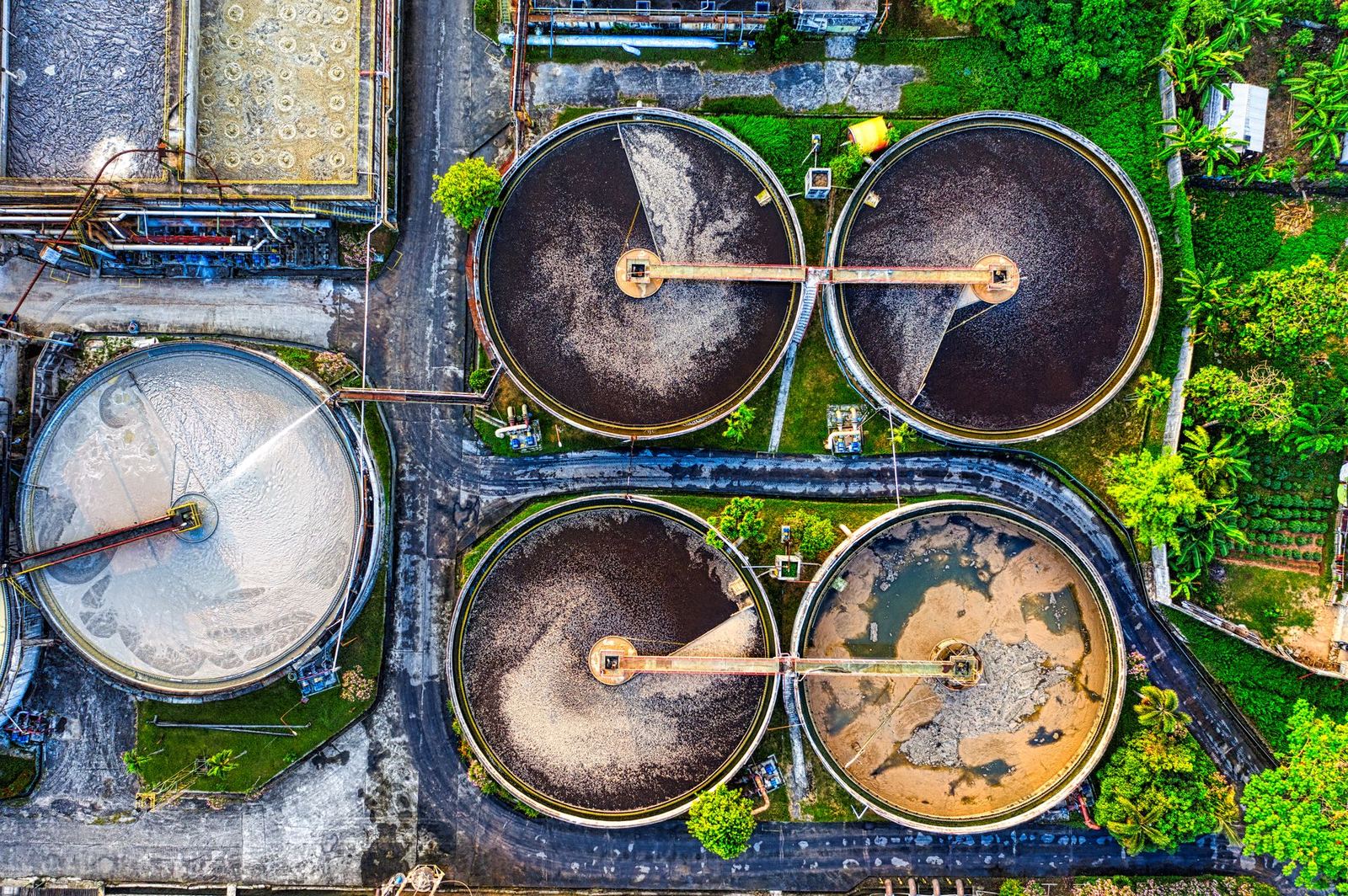
How do you start wastewater reuse to cut water bills and discharge fees? Survey, pilot, process selection and payback.
In industry, water is no longer just an input but a risk to be managed. Water scarcity, rising unit prices and tightening discharge limits are pushing businesses to reuse wastewater. In water-intensive sectors such as textiles, food, beverages and automotive suppliers, a well-designed reuse project pays back in two to four years.
1. Build the water balance
First, water entering and leaving the plant must be measured. Which process uses how much water, where is it lost, and which lines carry which pollution load? Flow meters and on-site sample analysis are the basis of this stage. Most plants find 10-15% direct water-saving opportunities in the first survey: leaks, unnecessary rinses and continuously running lines.
2. Separate wastewater streams
Separating low-load lines, such as dyehouse rinse water, CIP cleaning water or cooling water, from high-load lines makes reuse easier. Low-load streams can be reused directly after short treatment.
3. Run a pilot test
The character of wastewater differs at every plant. Testing a small UF/RO or MBR pilot unit for four to eight weeks gives real data on membrane fouling, energy use and outlet quality. Our pilot units are available for rent.
4. Choose the right process
- For moderately polluted, organic-loaded water: biological treatment + MBR + UV
- For salty and coloured water: nanofiltration or RO after MBR
- For high-TDS streams such as cooling tower blowdown: RO and concentrate reduction
5. Operation and monitoring
Reuse systems earn their keep in operation rather than installation. Remote monitoring, an automatic chemical cleaning programme and a regular maintenance contract extend membrane life to five to seven years.
An example project
At a dyeing and finishing plant producing 2,400 m³ of wastewater a day, a 60% reuse rate saved 520,000 m³ of mains water a year; water and discharge costs fell 38% annually. Payback on the investment was about three years.
If you want a preliminary survey and a rough capacity estimate for your own plant, start with the Industrial RO Capacity Calculator and then request a survey from our engineers.
Regulation and incentives
Wastewater reuse is viewed positively in environmental permitting and licensing; in some regions supports such as discharge fee reductions and green transition loans exist. During design we check prevailing regulations and local authority conditions together and help prepare application files.
Starting small is possible too: recovering a single high-volume line proves the gain before the whole plant is converted and helps fund the second phase of investment.